Time:2026-06-03
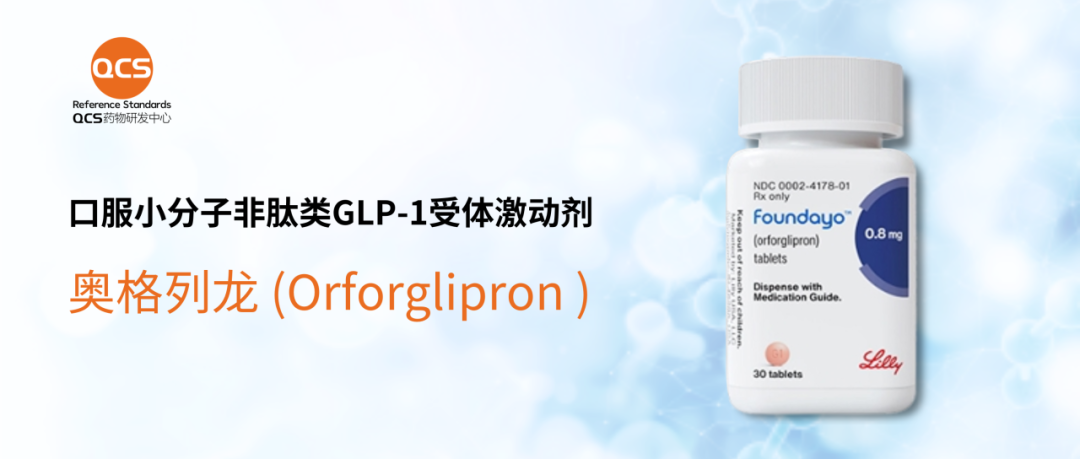
The world's first oral small-molecule non-peptide GLP-1 receptor agonist—Orforglipron—was rapidly approved in the United States in April 2026, with China's market launch entering a countdown phase. As the patent expiration window for the compound approaches, generic drug manufacturers have begun making early strategic preparations.
However, its complex chemical structure gives rise to a broad spectrum of impurities, and the currently available reference impurity standards with stable supply far from meeting the requirements for research and registration. This product warrants serious attention from every impurity standard supplier.
Product/Introduction: What is Ogliflozin?
Orforglipron (CAS: 2212020-52-3; Molecular formula: C₄₈H₄₈F₂N₁₀O₅; Molecular weight: 882.97) is a once-daily oral small-molecule GLP-1 receptor agonist developed by Eli Lilly for the treatment of obesity/overweight and type 2 diabetes mellitus.
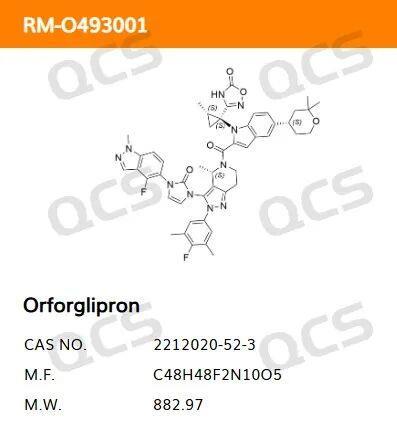
Oglitrol was discovered by Chugai Pharmaceutical in Japan. In September 2018, Eli Lilly acquired its global development and commercialization rights for $50 million as an upfront payment. In preclinical studies, oglitrol exhibited a oral bioavailability of 33–43% in rats and 21–28% in cynomolgus monkeys. It demonstrated hypoglycemic effects in humanized GLP-1R transgenic mice and promoted insulin secretion while reducing food intake in cynomolgus monkeys, with efficacy comparable to that of exenatide for injection.
Compared to injectable formulations and oral peptide drugs, it possesses the following core advantages.
· No oral administration restrictions: No fasting required, no water restriction needed; compliance is significantly superior to that of semaglutide oral administration (which requires fasting for 30 minutes).
· Room temperature stability: No cold chain required, offering exceptional convenience for storage and transportation.
· Chemical synthesis: The process is controllable and scalable in terms of production capacity.
· Clinical data: At the highest dose administered for 72 weeks, weight loss reached 12.4%, with glycemic control efficacy also superior to that of comparable oral competitors.
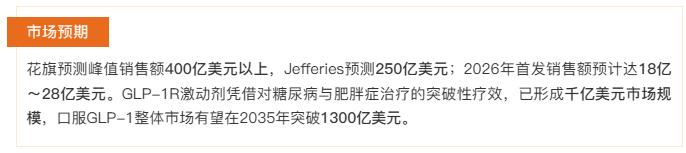
01 Patent Landscape and the Momentum of Generic Drug Development
Key Patent Information:
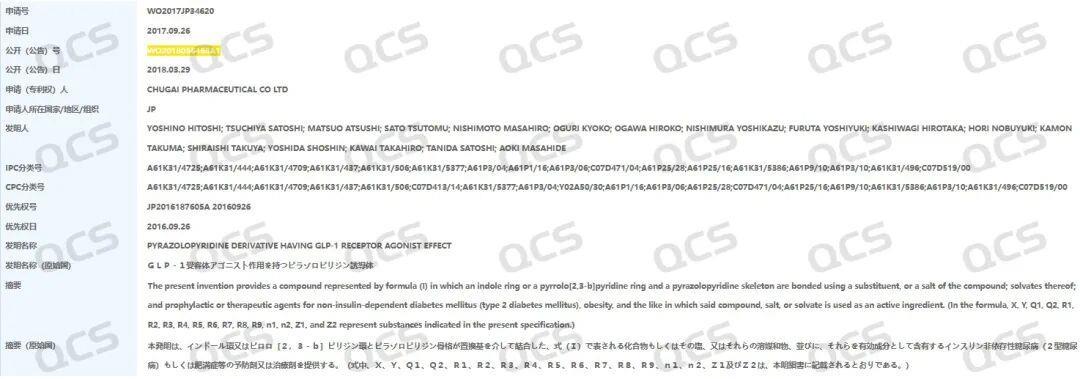
The core PCT patent application WO2018056453A1 for Orforglipron was filed by Zhongwai Pharmaceutical on September 26,2017. This patent covers Marquis structure compounds containing an indole ring and a pyrazolopyridine structure, explicitly encompassing Orforglipron.
According to Article 42 of China's Patent Law, which stipulates that "the protection period for an invention patent is 20 years from the date of application," the expected expiration date of its corresponding Chinese patent family is around September 26,2037. With more than 10 years remaining until the core patent expires and the launch of generic drugs still requiring time, there is ample window for technological preparation.
(II) Why It Can Be Said That Generic Drug Manufacturers Have begun to Pay Attention
The level of patent strategy development serves as a barometer of industry attention. Numerous pharmaceutical companies have pursued differentiated structural innovations and strategic patent layouts centered on Orforglipron, reflecting the distinctive characteristics of patent competition in the GLP-1R small-molecule agonist field—characterized by intensive deployment, rapid follow-up, and high competitiveness.
This signifies that competition for the next-generation improved drug formulations of olagrelone has already commenced. Although generic manufacturers are currently unable to directly replicate the active pharmaceutical ingredient (API) due to core patent restrictions, they have demonstrated the value of proactively initiating technical preparatory work—including research on impurities associated with this API, development of analytical methods, and process optimization.

02 Why impurity reference standards represent the critical bottleneck in this product category
Oglitron is not a simple molecule. Its total synthesis route is lengthy, and its structure contains multiple sensitive functional groups as well as several steric centers, resulting in an exceptionally diverse spectrum of impurities. Based on publicly available market information, the currently identifiable impurities include:
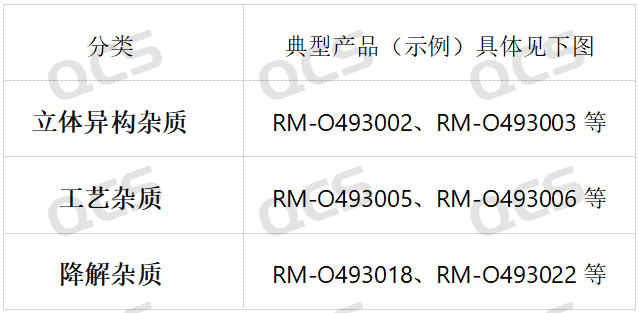
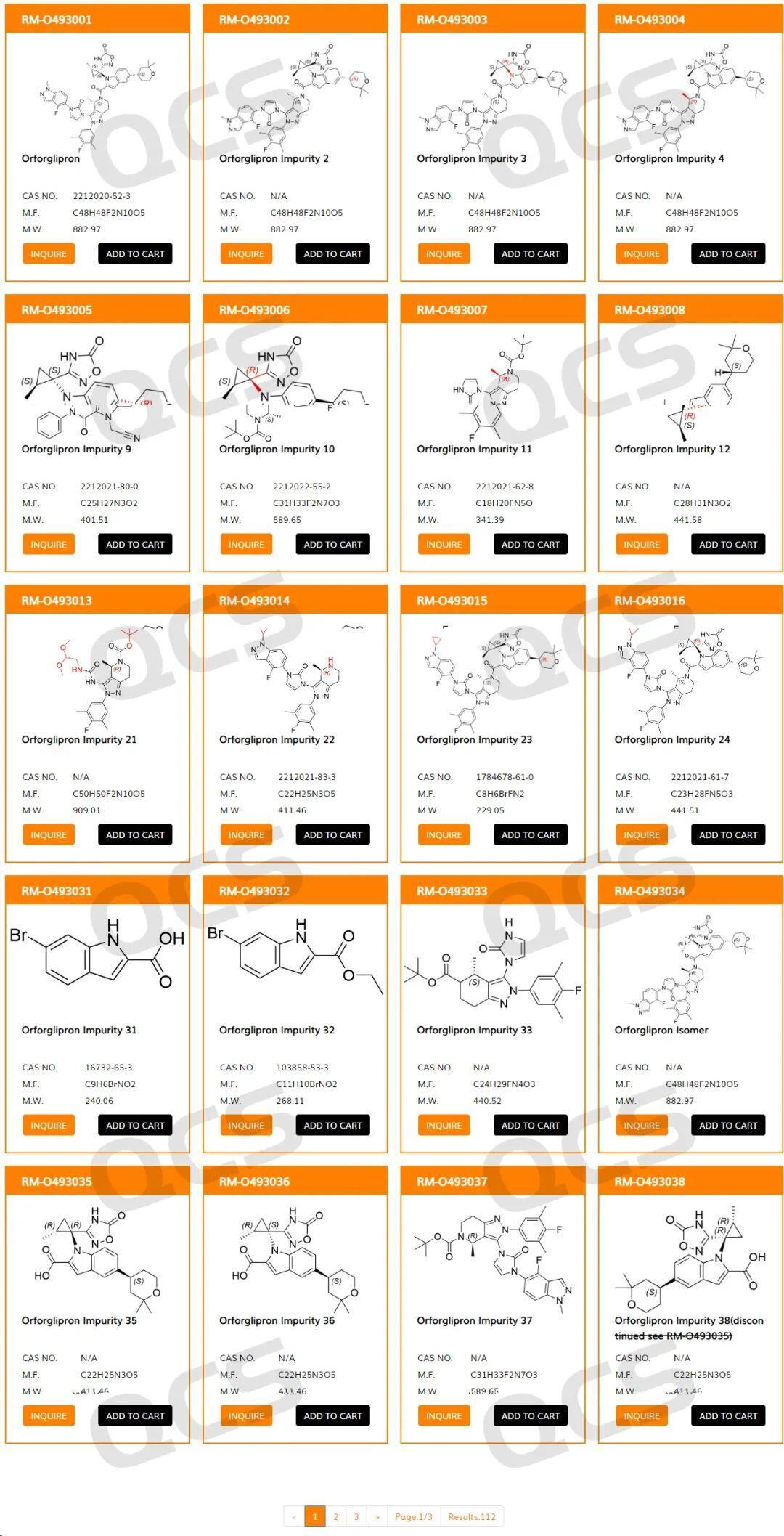
The current market reality is as follows: although a few suppliers have introduced sporadic products containing oligretron impurities (such as certain diastereoisomers or specific process-related impurities), the range of impurities available is highly incomplete, their quality varies significantly, and a substantial number of impurities—particularly process-related and stereoisomeric impurities—still lack commercial availability. Generic drug developers frequently encounter the challenge of being unable to obtain suitable reference standards when conducting method development, impurity traceability studies, or limit determination.
03 Summary
Oglitrol is not the first blockbuster GLP-1 drug, but it may be the first milestone product that truly brings oral small-molecule GLP-1 agents to the mass market. The wave of generic versions is imminent, with impurity reference standards representing the earliest and most definitive beneficiary segment in this trend.
Now is the optimal time to evaluate this product variant, initiate R&D efforts, and secure a competitive position in the product portfolio. The broader the range of variants available and the more reliable their quality, the greater the likelihood that they will become customers' preferred choice when demand for generic drug development surges in the future.
Research issues regarding olagrelon-related impurities are welcome for discussion.
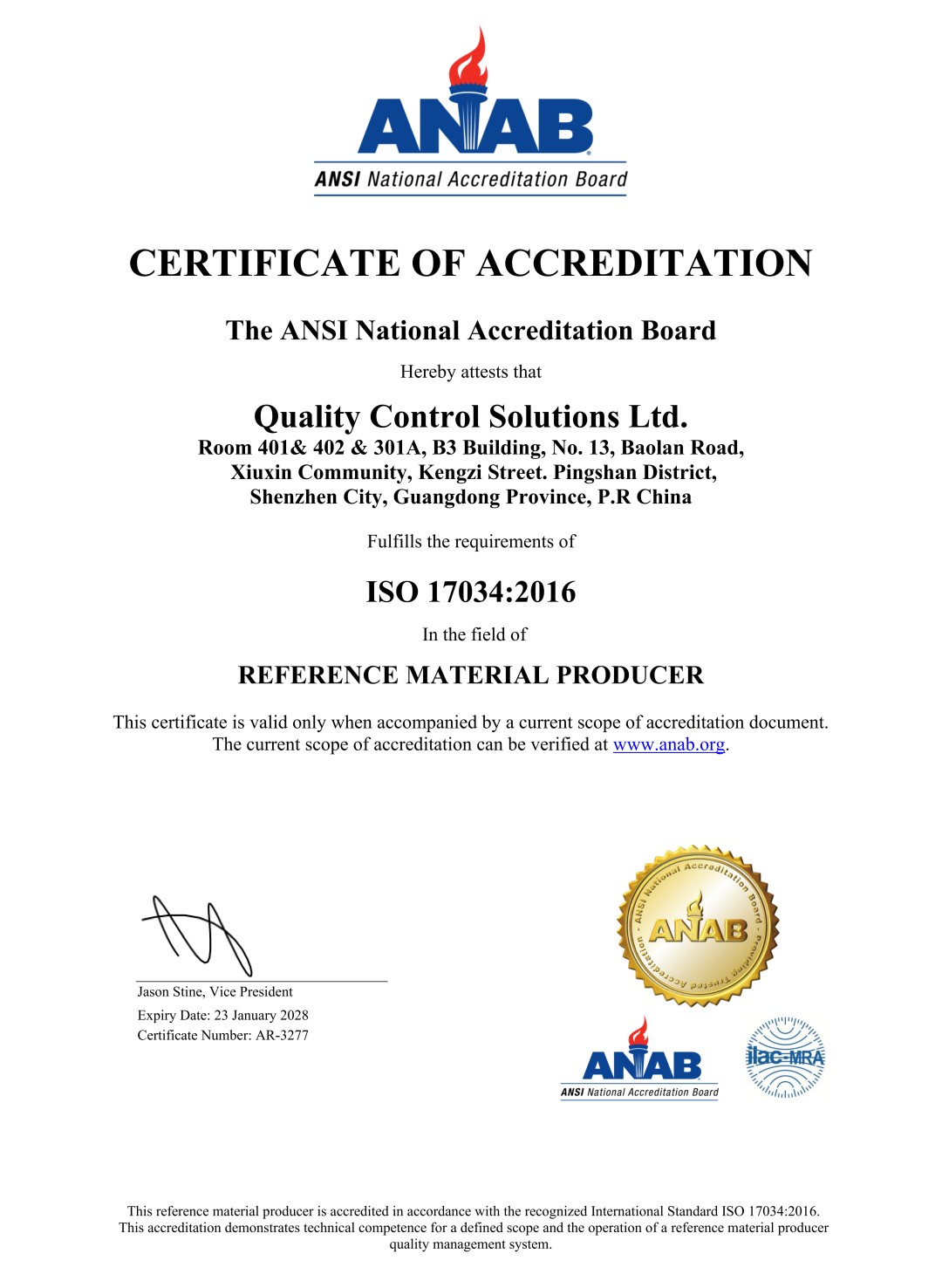
All impurity-containing products are accompanied by complete Quality Certificates of Analysis (COAs), which include structural confirmation data from NMR and MS analyses as well as purity determination results. The Quality Control Standards (QCS) have obtained ANAB ISO 17034 certification, with the production and standardization processes meeting international requirements for reference substance manufacturer capability accreditation, thereby providing internationally recognized data support for regulatory submissions to agencies such as the NMPA, EMA, and FDA.

The world's first oral small-molecule non-peptide GLP-1 receptor agonist—Orforglipron—was rapidly approved in the United States in April 2026, with China's market launch entering a countdown phase. As the patent expiration window for the compound approaches, generic drug manufacturers have begun making early strategic preparations.
However, its complex chemical structure gives rise to a broad spectrum of impurities, and the currently available reference impurity standards with stable supply far from meeting the requirements for research and registration. This product warrants serious attention from every impurity standard supplier.
Product/Introduction: What is Ogliflozin?
Orforglipron (CAS: 2212020-52-3; Molecular formula: C₄₈H₄₈F₂N₁₀O₅; Molecular weight: 882.97) is a once-daily oral small-molecule GLP-1 receptor agonist developed by Eli Lilly for the treatment of obesity/overweight and type 2 diabetes mellitus.
Oglitrol was discovered by Chugai Pharmaceutical in Japan. In September 2018, Eli Lilly acquired its global development and commercialization rights for $50 million as an upfront payment. In preclinical studies, oglitrol exhibited a oral bioavailability of 33–43% in rats and 21–28% in cynomolgus monkeys. It demonstrated hypoglycemic effects in humanized GLP-1R transgenic mice and promoted insulin secretion while reducing food intake in cynomolgus monkeys, with efficacy comparable to that of exenatide for injection.
Compared to injectable formulations and oral peptide drugs, it possesses the following core advantages.
· No oral administration restrictions: No fasting required, no water restriction needed; compliance is significantly superior to that of semaglutide oral administration (which requires fasting for 30 minutes).
· Room temperature stability: No cold chain required, offering exceptional convenience for storage and transportation.
· Chemical synthesis: The process is controllable and scalable in terms of production capacity.
· Clinical data: At the highest dose administered for 72 weeks, weight loss reached 12.4%, with glycemic control efficacy also superior to that of comparable oral competitors.
01 Patent Landscape and the Momentum of Generic Drug Development
Key Patent Information:
The core PCT patent application WO2018056453A1 for Orforglipron was filed by Zhongwai Pharmaceutical on September 26,2017. This patent covers Marquis structure compounds containing an indole ring and a pyrazolopyridine structure, explicitly encompassing Orforglipron.
According to Article 42 of China's Patent Law, which stipulates that "the protection period for an invention patent is 20 years from the date of application," the expected expiration date of its corresponding Chinese patent family is around September 26,2037. With more than 10 years remaining until the core patent expires and the launch of generic drugs still requiring time, there is ample window for technological preparation.
(II) Why It Can Be Said That Generic Drug Manufacturers Have begun to Pay Attention
The level of patent strategy development serves as a barometer of industry attention. Numerous pharmaceutical companies have pursued differentiated structural innovations and strategic patent layouts centered on Orforglipron, reflecting the distinctive characteristics of patent competition in the GLP-1R small-molecule agonist field—characterized by intensive deployment, rapid follow-up, and high competitiveness.
This signifies that competition for the next-generation improved drug formulations of olagrelone has already commenced. Although generic manufacturers are currently unable to directly replicate the active pharmaceutical ingredient (API) due to core patent restrictions, they have demonstrated the value of proactively initiating technical preparatory work—including research on impurities associated with this API, development of analytical methods, and process optimization.
02 Why impurity reference standards represent the critical bottleneck in this product category
Oglitron is not a simple molecule. Its total synthesis route is lengthy, and its structure contains multiple sensitive functional groups as well as several steric centers, resulting in an exceptionally diverse spectrum of impurities. Based on publicly available market information, the currently identifiable impurities include:
The current market reality is as follows: although a few suppliers have introduced sporadic products containing oligretron impurities (such as certain diastereoisomers or specific process-related impurities), the range of impurities available is highly incomplete, their quality varies significantly, and a substantial number of impurities—particularly process-related and stereoisomeric impurities—still lack commercial availability. Generic drug developers frequently encounter the challenge of being unable to obtain suitable reference standards when conducting method development, impurity traceability studies, or limit determination.
03 Summary
Oglitrol is not the first blockbuster GLP-1 drug, but it may be the first milestone product that truly brings oral small-molecule GLP-1 agents to the mass market. The wave of generic versions is imminent, with impurity reference standards representing the earliest and most definitive beneficiary segment in this trend.
Now is the optimal time to evaluate this product variant, initiate R&D efforts, and secure a competitive position in the product portfolio. The broader the range of variants available and the more reliable their quality, the greater the likelihood that they will become customers' preferred choice when demand for generic drug development surges in the future.
Research issues regarding olagrelon-related impurities are welcome for discussion.
All impurity-containing products are accompanied by complete Quality Certificates of Analysis (COAs), which include structural confirmation data from NMR and MS analyses as well as purity determination results. The Quality Control Standards (QCS) have obtained ANAB ISO 17034 certification, with the production and standardization processes meeting international requirements for reference substance manufacturer capability accreditation, thereby providing internationally recognized data support for regulatory submissions to agencies such as the NMPA, EMA, and FDA.
Join Our Email List
Subscribe to receive updates on new
products, promotions and resources!
Join Our Email List
Subscribe to receive updates on new
products, promotions and resources!
| ISO 17034:2016 |  |
| ISO 9001:2015 | |



 |
 |
 |
 |
*All our products are for R&D.
|
|
|
|
*All our products are for R&D.
Copyright © 2021-2024 QCSRM All rights reserved. 粤ICP备2023004355号
Copyright © 2021-2024 QCSRM All rights reserved.
粤ICP备2023004355号